

Address
Phone
Brand
Product origin
Delivery time
Supply capacity
ZW GROUP | 45,000 Liters Aluminum Fuel Tank Semi Trailer Manufacturer
45,000 Liters Aluminum Fuel Tank Semi Trailer Manufacturer & Technical Specifications
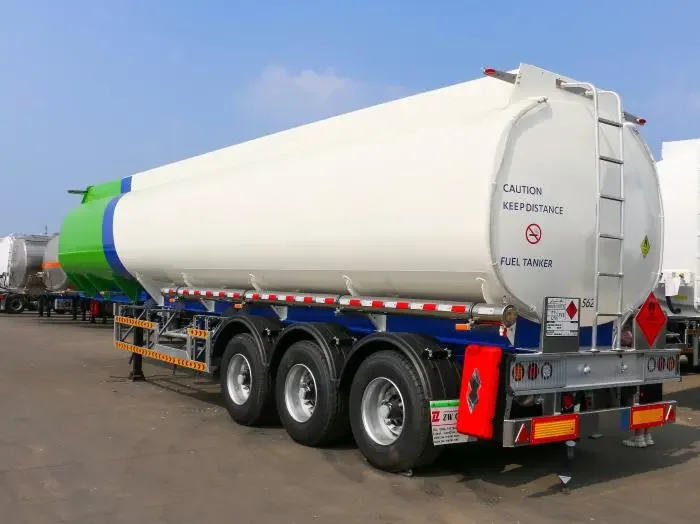
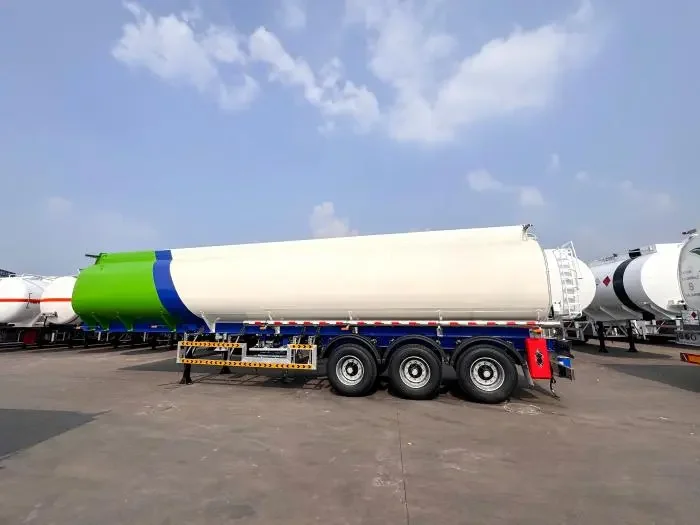
The 45,000 Liters Aluminum Fuel Tank Semi Trailer is designed for high-frequency, long-distance transportation of gasoline, diesel and other compatible petroleum products where payload, axle-load compliance, corrosion resistance and unloading efficiency directly affect fleet profitability.
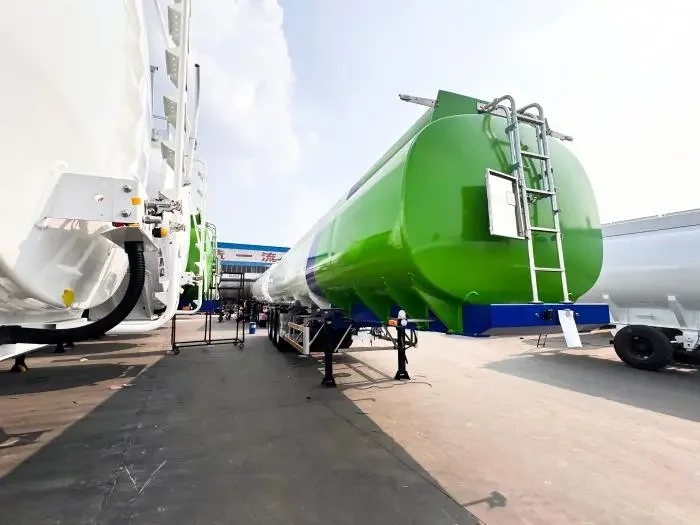
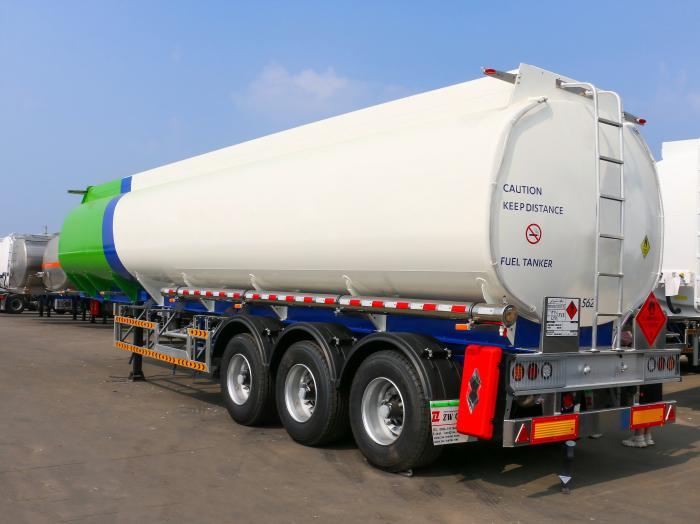
ZW GROUP builds the trailer around a lightweight aluminum tank structure, multi-compartment loading requirements, bottom discharge equipment, air suspension and internationally recognized components. The reference configuration has an operating capacity of up to 45,000 liters and a reported tare weight of approximately 6.5 tons. Compared with a conventional carbon-steel tanker in the same general capacity class, the lower tare weight creates additional legal payload potential without increasing the nominal tank volume.
Why Choose a 45,000 Liters Aluminum Fuel Tank Semi Trailer?
The main commercial advantage is simple: reduce trailer tare weight while maintaining the required fuel-carrying volume and operational equipment. The supplied technical data indicates a tare weight of approximately 6.5 tons. A comparable conventional carbon-steel tanker is listed at approximately 9.0 to 9.5 tons. That difference can approach 2.5 to 3.0 tons, depending on the final specification and equipment package.
For a fleet operator, this is not merely a specification-sheet difference. Every kilogram removed from the trailer structure can influence the amount of legal payload available to the prime mover. The economic value becomes more significant when the vehicle runs multiple loaded trips every week. A tanker that carries the required volume while staying within local axle-load limits can reduce the risk of overloading penalties and improve utilization of the tractor-trailer combination.
Aluminum also provides a naturally protective oxide layer. The supplied comparison identifies aluminum's natural corrosion protection as an advantage over carbon steel, which normally requires periodic coating maintenance. This matters for operators moving petroleum products in hot, humid, coastal or chemically aggressive environments where surface corrosion can increase maintenance workload.
Approximately 6.5-ton reference tare weight.
30,000–45,000 liter available effective volume range.
One to seven independent compartments.
5083 / 5454 aluminum alloy tank construction.
6 mm tank shell and 7 mm end-head reference thickness.
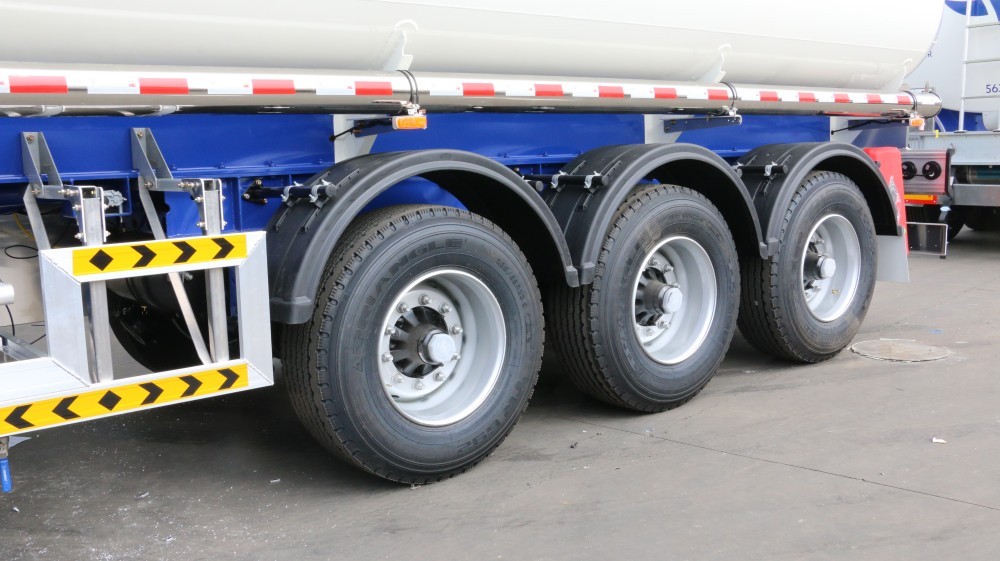
Three 13-ton professional axles.
Air suspension with lifting and lowering adjustment.
API-compatible bottom loading and unloading equipment.
Overflow protection and emergency shut-off equipment.
WABCO 4S/2M ABS with dual-circuit air braking.
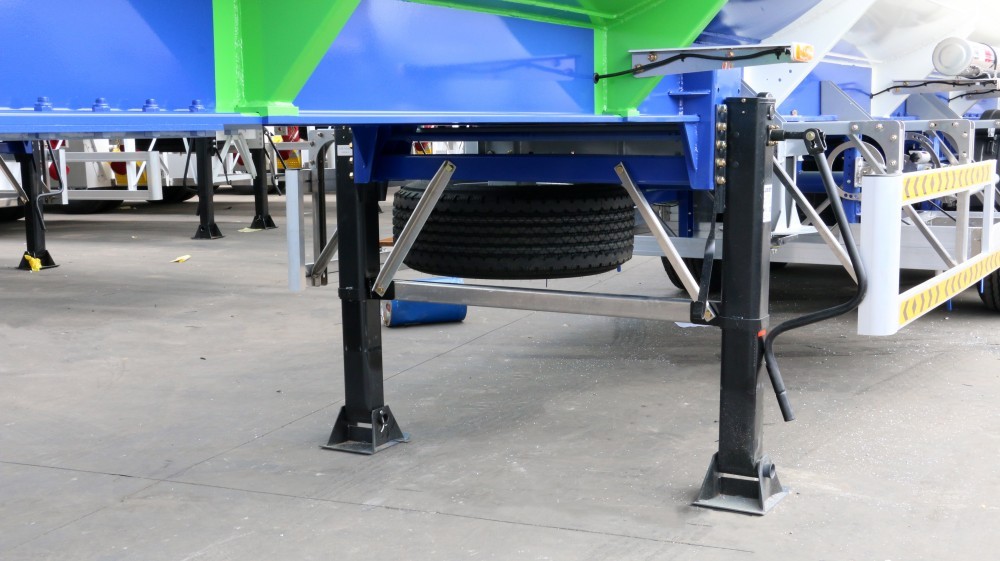
JOST landing legs and kingpin options.
12R22.5 tubeless radial tires.
What Is the Technical Configuration of the 45,000L Aluminum Fuel Tank Trailer?
A fuel tanker is not only a tank body. The complete semi trailer must work as a transport system consisting of the tank shell, bulkheads, suspension, axles, braking system, landing gear, kingpin, loading system, discharge system, emergency valves and safety equipment. A weak component in any of these areas can increase downtime or create operational risk.
How Does the Aluminum Tank Construction Reduce Fleet Operating Cost?
The weight-saving structure is the first economic advantage. The supplied product information states that the aluminum tanker is approximately 6.5 tons, compared with 9.0–9.5 tons for a conventional carbon-steel tanker. This creates a potential weight difference of approximately 2.5 tons or more. The original product data also indicates that the lower tare weight can provide nearly 3,000 liters of additional legal payload in the relevant operating scenario.
The commercial calculation should always be based on the buyer's local axle limits, petroleum density, prime mover configuration, route restrictions and actual enforcement practices. A 45,000-liter nominal tank does not automatically mean 45,000 liters can be legally filled on every route. The correct engineering approach is to calculate the combined tractor, trailer, fuel density, axle distribution and maximum permitted gross combination weight before finalizing the tank volume.
Before: Conventional Steel Tanker
Higher tare weight can reduce the legal payload margin. Corrosion protection also requires periodic coating maintenance. Manual discharge valves may increase unloading intervention.
After: ZW Aluminum Tanker
Lower tare weight creates more payload headroom. Aluminum's natural oxide layer reduces coating maintenance requirements. Pneumatic emergency shut-off equipment improves fuel-system safety.
Empty-return efficiency is another consideration. The air suspension configuration includes a lift function for the leading axle. When the trailer is unloaded, the lift axle can be raised where the operating conditions and local regulations permit. This can reduce tire contact and rolling wear during empty or lightly loaded return trips. For a fleet operating thousands of kilometers each month, tire consumption and maintenance downtime can become significant components of total cost of ownership.
What Makes the 5083-H111 Aluminum Tank Suitable for Fuel Transport?
The reference configuration uses high-strength aluminum alloy materials, with 5083-H111 identified as a core tank material. The specification also lists 5454 / 5083 aluminum alloy, with a 6 mm shell and 7 mm end heads. The material selection supports the lightweight objective while maintaining a tank structure suitable for repeated commercial transport.
For a petroleum tanker manufacturer, material selection is only one part of tank integrity. Weld quality, joint geometry, internal reinforcement, bulkhead design, pressure testing and inspection procedures determine whether the finished tank can withstand long-term service. ZW GROUP states that automated robotic welding is used for tank longitudinal and circumferential seams. The supplied manufacturing description also specifies X-ray inspection of the relevant welded joints.
This combination is important because a tanker does not operate under static loading. Fuel movement creates dynamic loads. Road vibration produces repeated structural stress. Braking transfers longitudinal force through the tank support structure. Cornering changes liquid distribution. The tank therefore needs a manufacturing process that controls welding quality and minimizes stress concentration around critical joints.
How Does the Multi-Compartment Fuel Tank Configuration Work?
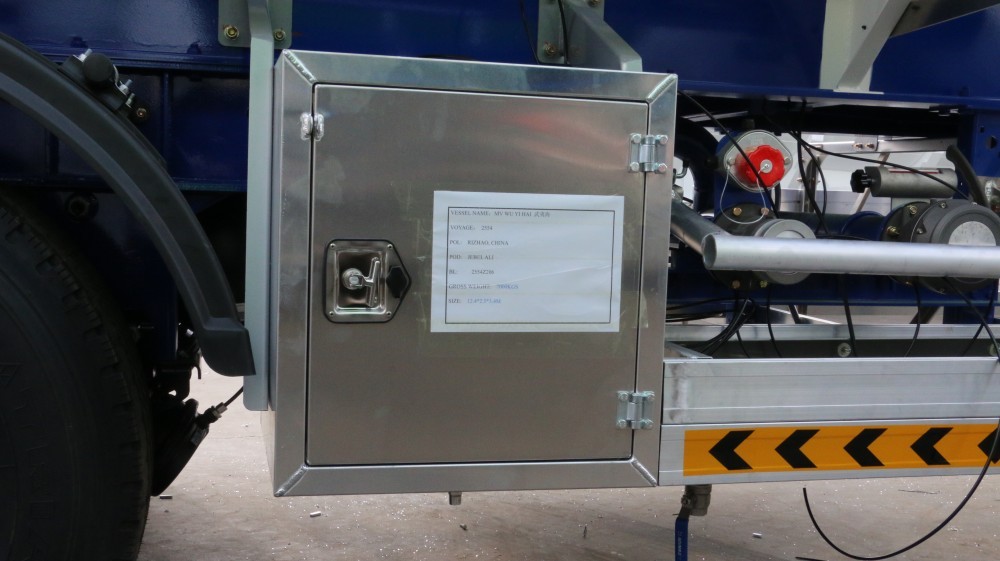
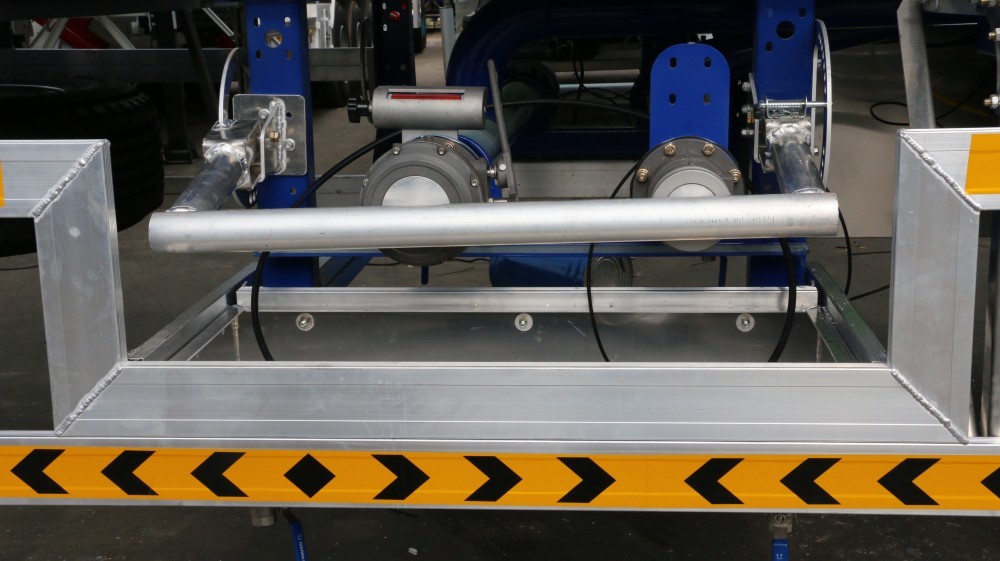
The tanker can be configured with one to seven independent compartments. This is valuable for distributors and fuel logistics operators that need to transport different products or grades on the same trip. Each compartment can have its own piping, discharge valve and tank access arrangement according to the final engineering specification.
A multi-compartment tanker should not be treated as a simple divided tank. Compartment layout affects axle distribution, center of gravity, unloading sequence, liquid surge behavior and maintenance access. ZW GROUP can configure the compartment arrangement according to the buyer's intended fuel mix, route, loading terminal and unloading station requirements.
1-compartment configuration for simplified single-product distribution.
Multiple compartments for gasoline and diesel distribution.
Independent discharge lines to reduce product mixing risk.
Separate tank openings and safety equipment for compartment management.
Compartment capacity can be planned around customer delivery routes.
Tank layout should be checked against local transport regulations before production.
For operators serving several fuel stations from one loading terminal, compartmentalization can reduce unnecessary return trips. Instead of assigning a separate trailer to each product, a properly configured tanker can distribute multiple products during one route. The commercial benefit depends on route density and unloading demand, but the principle is straightforward: more usable compartment flexibility can increase the number of delivery tasks completed per trip.
Why Is API Bottom Loading Important for a Fuel Tank Semi Trailer?
Bottom loading reduces the need for repeated top-access loading operations and can improve terminal handling efficiency. The reference ZW configuration uses an API-compatible loading and unloading system with overflow protection and vapor recovery components.
The supplied technical information states that the bottom discharge system can achieve single-compartment unloading in less than 20 minutes under the specified operating configuration. Actual unloading time will vary with fuel viscosity, terminal equipment, pipeline diameter, pump capacity, receiving tank conditions and operating procedures. Buyers should therefore treat the stated time as a reference configuration result rather than a universal guarantee.
The system also includes an overflow probe and vapor recovery valve. These components are particularly relevant to professional petroleum logistics because fuel loading is not simply a matter of transferring liquid. The loading process must control product loss, vapor management and emergency isolation. The correct valve package also needs to match the loading rack used by the buyer.
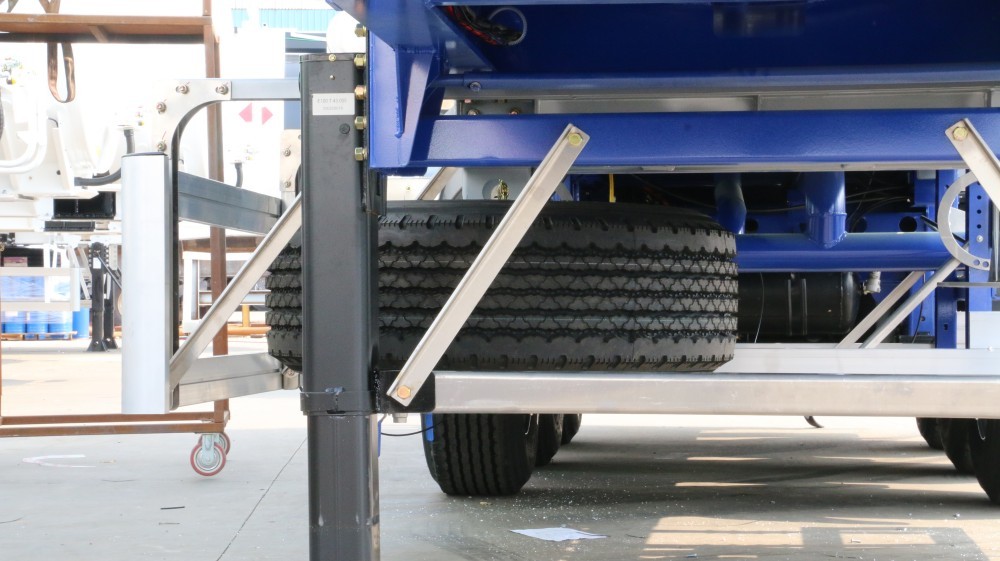
How Does the Emergency Shut-Off System Protect the Fuel Transport Trailer?
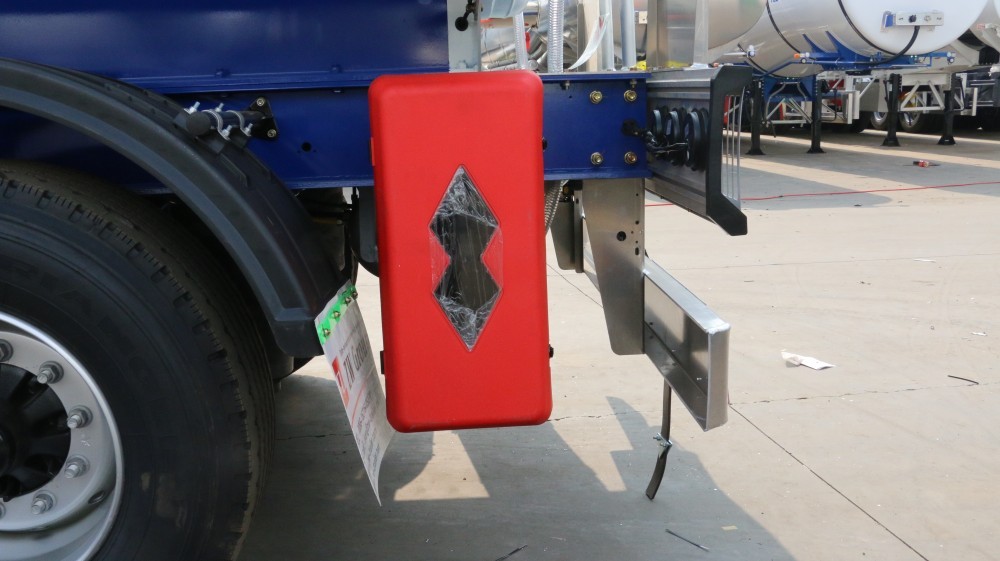
The reference configuration uses a pneumatic emergency bottom valve instead of relying only on a conventional manual bottom valve. The supplied comparison states that the emergency valve can automatically shut off the fuel line in the event of impact.
The internal tank design also includes anti-surge bulkheads. According to the supplied technical material, bulkheads are installed at approximately 1.5-meter intervals. The bulkhead thickness is listed at 5 mm and the components are formed with reinforced edges. The product documentation states that this design can counter more than 70% of liquid impact force under the referenced test or design conditions.
Liquid surge is a serious engineering consideration in a partially filled tanker. During braking, acceleration or cornering, the liquid mass shifts inside the tank. Internal baffles reduce the free movement of the liquid and help control the resulting dynamic forces. They do not eliminate all liquid movement, so operating speed, road conditions, filling level and driver behavior remain important.
Internal anti-surge bulkheads.
Emergency pneumatic shut-off bottom valve.
Overflow protection probe.
500 mm explosion-protected breather valve.
Safety emergency shut-off valve.
Dual-circuit air braking.
WABCO 4S/2M ABS configuration.
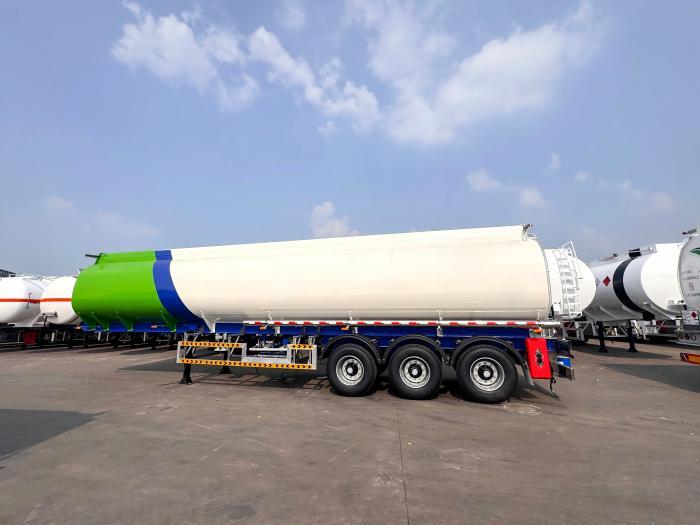
Why Are International Standard Components Important?
Fleet downtime often becomes expensive when a trailer depends on proprietary components that are difficult to source locally. The reference 45,000 Liters Aluminum Fuel Tank Semi Trailer uses internationally recognized brands and standard component formats in several critical systems.
The braking system uses WABCO 4S/2M ABS with a dual-circuit pneumatic braking system. The landing gear is specified as JOST 28-ton dual-speed manual landing legs. Axle options include FUWA, BPW and ZW. The kingpin can be configured in 2-inch or 3.5-inch versions. These choices allow the trailer to be aligned with the buyer's existing tractor fleet and maintenance system.
The tire specification is 12R22.5 tubeless radial. This format is widely used in heavy commercial vehicles and simplifies replacement planning compared with uncommon tire sizes. Buyers should still confirm local tire availability, axle rating, rim compatibility and road conditions before locking the final specification.
What Should Buyers Confirm Before Ordering a 45,000L Fuel Tanker?
The correct trailer specification starts with the operating route, not the catalog photograph. Before production, a professional fleet buyer should confirm the tractor specification, fifth-wheel height, kingpin size, legal gross combination weight, maximum axle load, road conditions, fuel products and loading-terminal interfaces.
Prime mover: Confirm tractor horsepower, fifth-wheel rating and available air connections.
Kingpin: Select the appropriate 2-inch or 3.5-inch configuration.
Legal payload: Check local gross weight and axle-load restrictions.
Fuel density: Calculate legal fill volume based on the actual petroleum products.
Compartments: Decide whether one, two, three or more independent compartments are required.
Loading system: Confirm API connection requirements at the buyer's loading terminal.
Discharge system: Confirm bottom unloading connections and hose requirements.
Safety equipment: Confirm local hazardous-goods and emergency shut-off requirements.
Suspension: Match air suspension settings to route conditions and local regulations.
Spare parts: Confirm the preferred brands and the required spare-parts package.
How Does ZW GROUP Support Customized Fuel Tanker Orders?
Fuel logistics companies rarely operate identical routes. One fleet may need a single-compartment diesel tanker. Another may require seven compartments for multiple fuel products. A third fleet may prioritize payload under strict axle limits. ZW GROUP can develop the final configuration around these operating conditions rather than supplying one fixed specification to every buyer.
Customization can cover tank capacity, compartment arrangement, axle brand, suspension configuration, kingpin size, discharge valves, API connections, piping arrangement, safety valves, landing gear and other equipment. The final design must be reviewed against the buyer's local transport and hazardous-material regulations.
This approach is particularly important for overseas buyers because a trailer that works correctly in one market may require changes for another. Port handling, road geometry, axle regulations, terminal connections, fuel distribution practices and spare-parts availability can all affect the right specification.
How Does the 45,000 Liters Aluminum Fuel Tank Semi Trailer Compare With a Conventional Carbon-Steel Tanker?
Frequently Asked Questions About the 45,000 Liters Aluminum Fuel Tank Semi Trailer
Is an aluminum fuel tanker safe in a collision?
Safety depends on the complete tanker design, not simply the tank material. The reference ZW configuration uses internal anti-surge bulkheads, reinforced bulkhead edges and a pneumatic emergency shut-off valve. The supplied specification states that the emergency valve can isolate the fuel line within approximately 0.5 seconds after an impact signal or activation condition.
Can the tanker transport gasoline and diesel at the same time?
Yes, the reference configuration can be produced with one to seven independent compartments. Each compartment can use separate piping and discharge equipment. This allows different compatible fuel products to be transported without sharing the same product compartment. The exact product combination must comply with the applicable dangerous-goods transportation regulations.
How many liters can the tank carry?
The reference product range is 30,000 to 45,000 liters. The final legal loading quantity depends on fuel density, gross vehicle weight, axle-load limits and local regulations. Therefore, 45,000 liters should be treated as the maximum reference capacity rather than a universal legal fill quantity.
Can the tanker use different axle brands?
The reference specification supports FUWA, BPW and ZW professional axles with a three-axle, 13-ton configuration. The final axle selection can be discussed according to the buyer's budget, local parts availability, road conditions and maintenance preferences.
Does the trailer use air suspension?
Yes. The reference configuration uses high-performance air suspension with lifting and lowering adjustment. The leading axle can be lifted during empty-return operation where permitted, potentially reducing tire wear and rolling resistance.
Are spare parts available after purchase?
The supplied product information identifies API valves, JOST landing gear and WABCO brake components as internationally standardized parts. ZW also states that a complete set of rubber sealing rings and standard spare parts can be included in the onboard tool and spare-parts package.
Can ZW GROUP customize the tanker for my country?
Yes. Tank volume, compartment layout, axle configuration, suspension, kingpin, valves, loading interfaces and other components can be discussed according to the buyer's operating requirements. Local transport and hazardous-goods regulations should be supplied before final engineering approval.
Why Buy Your 45,000 Liters Aluminum Fuel Tank Semi Trailer From ZW GROUP?
Choose ZW GROUP when your purchasing decision is based on payload economics, tanker engineering, component reliability and long-term fleet operation rather than the lowest factory quotation alone.
The supplied manufacturing profile combines automated welding equipment, a large production facility, ISO 9001 quality management practices and hazardous-goods tanker production standards. The manufacturing process covers material preparation, welding, inspection and final testing. The reference tanker also integrates recognized components such as WABCO, JOST, FUWA and BPW.
For an overseas B2B buyer, the most important question is not simply whether a factory can build a 45,000-liter tank. The question is whether the supplier can understand your prime mover, fifth wheel, road conditions, axle restrictions, fuel products, loading terminal, unloading process and after-sales requirements before production starts.
That is the engineering approach ZW GROUP applies to customized tanker projects. Give the engineering team your target capacity, number of compartments, fuel products, tractor model, local axle limits and loading-system requirements. The final specification can then be developed around the real operating environment.
Need a Customized 45,000 Liters Aluminum Fuel Tank Semi Trailer?
Send your required capacity, compartment layout, fuel type, prime mover model, axle regulations and destination country. ZW GROUP can evaluate the configuration and prepare a customized technical proposal and factory quotation.
WhatsApp: +86 18678773290Contact the ZW GROUP engineering team for a customized tanker configuration and quotation.