

Address
Phone
Heavy-Duty Semi Trailer Engineering Guide for Southeast Asian & Central Asian Mining Routes
Structural Optimization, High-Tensile Steel Chassis Fabrication, and Suspension Fatigue Resistance under Extreme Off-Road & Monsoon Conditions
Core Engineering Conclusion
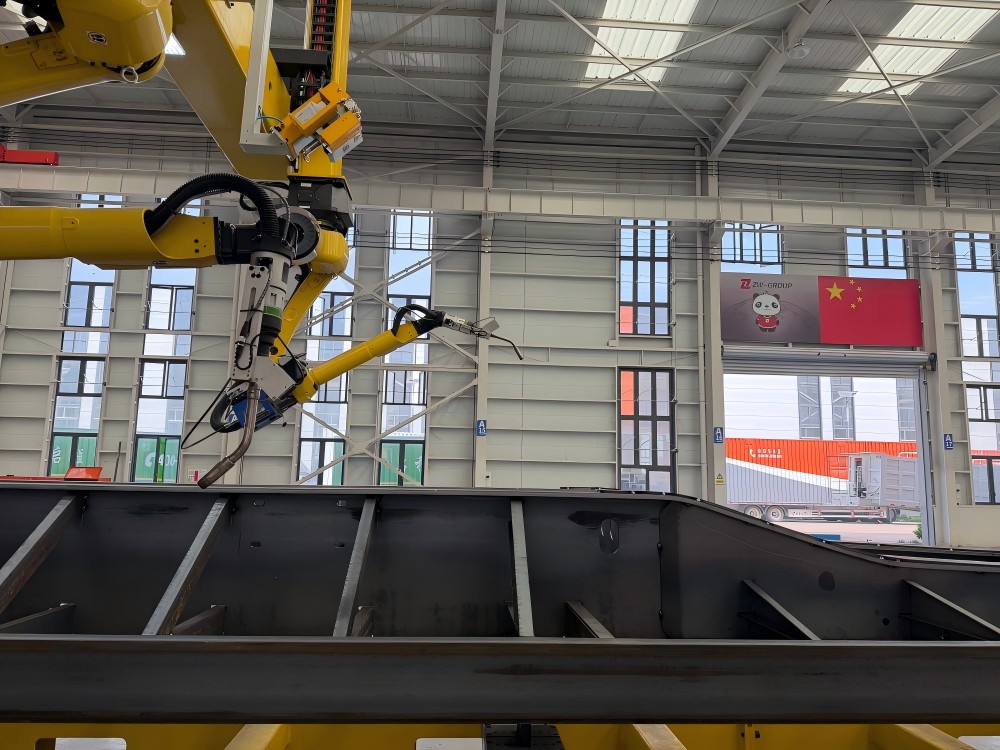
In the high-temperature, monsoon-heavy environments of Southeast Asia (Cambodia, Laos, Vietnam) and the severe red-clay mining zones of Central Asia (Uzbekistan, Kazakhstan), over 80% of premature structural semi trailer failures stem directly from main beam longitudinal tearing and axle suspension displacement. Deploying standard highway-spec trailers into these off-road mining logistics corridors results in chassis frame cracking within the first 6 months of operation. Engineering the main longitudinal beams with HG60 / T700 high-tensile alloy steel, combined with 16mm reinforced web plates and crossmember spacing under 300mm, represents the only proven structural pathway to eliminate fleet downtime and preserve asset resale value.
How to Protect Running Gear & Air Brake Systems from Early Degradation in High-Humidity Monsoon Conditions?
Direct Answer: Fleet operators operating in coastal or tropical climates must upgrade to heavy-duty 10-leaf or 13-leaf thick mechanical spring suspensions with reinforced equalizer brackets, paired with dual-line pneumatic braking systems utilizing WABCO ABS, galvanized air reservoirs, and sealed moisture-draining valves.
Relative humidity levels in logging and mining haulage zones throughout Cambodia, Laos, and southern Vietnam routinely exceed 85% during the monsoon season Standard semi trailers imported with basic highway running gear suffer rapid suspension wear and brake system failures. Unprotected steel leaf springs undergo high-frequency stress corrosion cracking, while moisture accumulation inside ungalvanized air tanks causes emergency relay valves to rust shut internally. When a valve seizes, brake shoes lock up against the drums, resulting in blown tires, thermal hub failure, or dangerous jackknife events on slick mud grades.
By equipping the chassis with 8mm thick reinforced suspension hanger mounting boxes and 16-ton class heavy forged axles, the running gear maintains absolute track alignment even under continuous 60-ton to 80-ton gross combination weight payload stresses. The integrated WABCO ABS system continuously monitors wheel speed sensors, preventing lockups during panic braking on wet red mud or gravel grades, thereby preserving tire tread integrity and lowering long-term operating costs per kilometer.
Field Realities from the Phnom Penh Industrial Expo: Customizing Trailer Specs for Local Infrastructure Demands
Direct Answer: Succeeding in regional logistics like the Phnom Penh to Sihanoukville transport corridor or Central Asian cross-border mineral transit requires tailroing vehicle parameters to balance regional axle load regulations against real-world overload conditions.
During our physical exhibition at the 2026 Cambodia Industrial Development & Industrial Expo (Phnom Penh Industrial Expo), senior officials from the Ministry of Industry, Science, Technology & Innovation, along with major infrastructure contractors, evaluated ZW Group's heavy-duty transport solutions. Key discussions centered around the operational balance between legal road limits on highway routes and structural durability requirements inside quarry and construction zones.
To address these dual requirements, ZW Group utilizes equal-strength lightweight engineering. By replacing redundant heavy steel gussets with high-yield structural folding shapes, we reduce tare weight by approximately 600 kg per vehicle without sacrificing frame rigidity. For a fleet operating 10 prime movers and semi trailers on daily 300 km round trips, this weight reduction translates directly into fuel savings of up to $1,800 USD per vehicle annually while maximizing legal payload capacity.
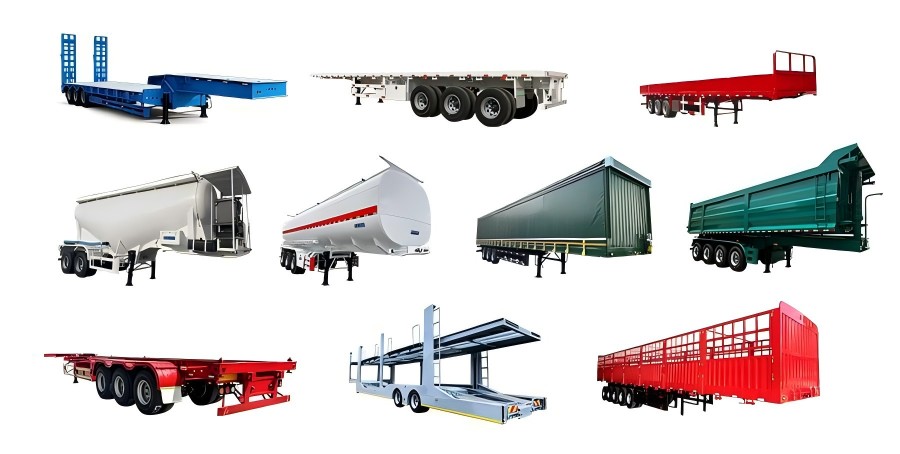
Targeted Heavy-Duty Trailer Portfolio for Regional Applications
Ready to Upgrade Your Logistics Fleet with Reinforced Semi Trailers?
Get direct factory FOB/CIF pricing, technical specification sheets, and CAD main beam structural drawings for our full line of heavy-duty semi trailers, tippers, and tankers. Speak directly with our senior engineering team today.
Fast Technical Response Guarantee within 5 Minutes | Complete CKD/SKD Export Options Available